Driving in Dubai's desert is a unique experience. One moment you are cruising along a smooth sand track, the next your vehicle is planted up to its axles in soft sand. I have seen this happen countless times, and it always comes down to a few common mistakes and the right approach to recovery. The phrase "4/4 pullout sand stuck" might sound technical, but for anyone who spends time off-road in the UAE, it describes a very real situation where a four-wheel-drive vehicle needs a controlled extraction from deep sand.
Over the years, I have been involved in dozens of recoveries, both as a driver and as someone helping others. The desert around Dubai is beautiful but unforgiving. When you are stuck, the first thing to do is stay calm and assess the situation. Is the vehicle high-centered on a dune? Are the tires spinning freely? Is the sand loose and dry? Each condition demands a different response. The most common error I see is people digging frantically without a plan. That just makes the hole deeper.
Understanding the 4/4 Pullout Sand Stuck Scenario
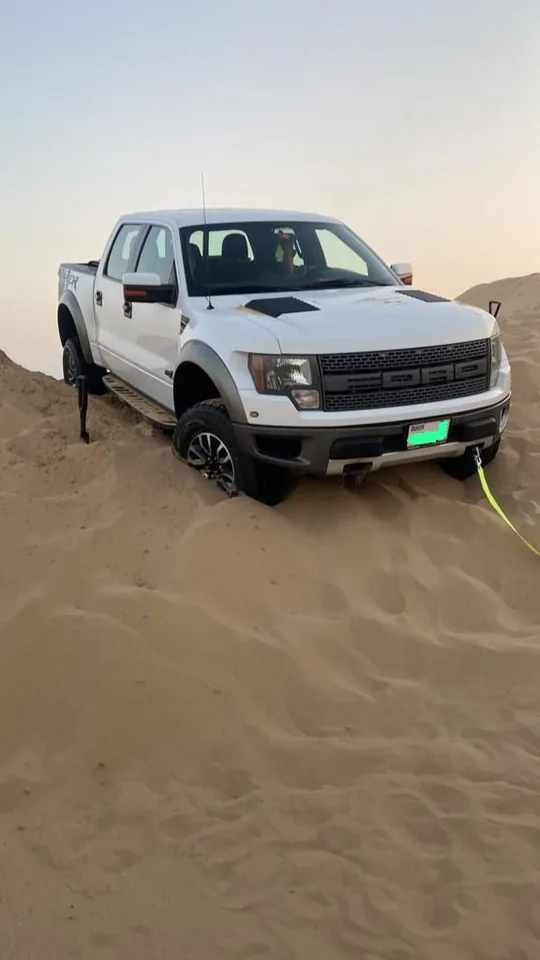
The term "4/4 pullout sand stuck" refers to the process of using a four-wheel-drive recovery vehicle to pull a stuck vehicle out of sand. It is a straightforward concept, but execution matters. In Dubai, where sand dunes can be steep and soft, a simple tow can turn into a complex operation. I have been on calls where a single tow truck could not get enough traction, and we had to use sand mats and a winch anchored to a second recovery vehicle.
A proper pullout begins with the recovery vehicle positioning itself on firm ground. The driver of the stuck vehicle should turn the steering wheel straight and put the transmission in neutral. The recovery strap should be attached to a solid anchor point on both vehicles, never to a tow ball or a flimsy bracket. I have seen tow balls snap under load, and that can be dangerous. A good recovery strap, rated for the weight of the stuck vehicle, is essential.

Common Causes of Getting Stuck in Sand
Most people get stuck because they lose momentum. In soft sand, speed is your friend. But speed without skill can land you in trouble. I have watched drivers charge up a dune, only to crest it too fast and drop into a bowl where the sand is deep and loose. Once the vehicle stops, the weight settles, and the sand packs around the tires. Tire deflation is another factor. If you lower your tire pressure before driving on sand, you get a larger footprint and better flotation. Many drivers keep their tires at highway pressure and then wonder why they sink.
Another issue is the type of sand. In the UAE, the sand varies from coarse grains near the coast to fine, powdery dust inland. The fine dust acts like a dry powder, and it can swallow a vehicle quickly. I have seen four-wheel-drive trucks with all-terrain tires buried to the axles in less than a minute. The driver tried to reverse out, but that only dug the tires deeper. At that point, a 4/4 pullout sand stuck recovery is the only option.
The Right Tools for the Job
If you drive in the desert regularly, you should carry a few basic items. A recovery strap, a shovel, sand mats, and a tire deflator are the minimum. I also recommend a winch if you often go alone. A winch can be used to pull yourself out if you have a tree or a solid anchor point nearby, which is rare in open desert. In that case, you need another vehicle. Car Recovery Dubai provides 24/7 roadside assistance across the UAE, and their fleet includes recovery vehicles equipped for sand recovery. They have the right gear, including long recovery straps and heavy-duty winches.
When you call for help, be ready to describe your location. In the desert, it is easy to get turned around. Use GPS coordinates if possible. The recovery driver will need to know the terrain to choose the right vehicle. A standard tow truck might not be able to reach you on a soft sand track. In those situations, a specialized recovery vehicle with four-wheel drive and large tires is necessary.
Step-by-Step Recovery Process
Here is a typical recovery sequence I have used many times. The steps are simple, but they must be followed in order.
- Assess the situation. Check how deep the vehicle is stuck and whether the tires are buried. Clear loose sand from around the tires with a shovel.
- Place sand mats under the tires if possible. These provide a firm base and help the tires grip. If you do not have sand mats, use flat pieces of wood or even car mats.
- Attach the recovery strap to the stuck vehicle's anchor point. Ensure the strap is not twisted and that the connection is secure.
- Have the recovery vehicle drive slowly forward, taking up the slack. The driver of the stuck vehicle should keep the steering straight and let the strap do the work.
- If the vehicle does not move easily, use a winch. The winch cable should be extended straight and wound back evenly. Never stand in line with the cable.
After the vehicle is free, check for damage. Look at the tires, the undercarriage, and the recovery points. I have seen people drive away only to have a tire go flat a kilometer down the road because a sharp rock cut it during the recovery.
When to Call Professionals
Not every stuck vehicle can be pulled out with a single strap. If you are high-centered on a dune, the vehicle's weight is on the chassis, not the tires. A simple pull might drag the vehicle but damage the undercarriage. In that case, you need to lift the vehicle with a jack or use a winch to reposition it. That is where experience matters. I have been in situations where we had to dig a ramp in front of the tires and use sand mats to create a path.
For heavy vehicles like trucks or buses, the risk is greater. A heavy vehicle recovery requires a large tow truck with a strong winch and a solid anchor point. In the UAE, there are services that handle heavy vehicle recovery, and they use specialized equipment. Car Recovery Dubai offers heavy vehicle recovery as part of their services. They have the capacity to handle large vehicles without causing further damage.
Motorcycle recovery is another area where professional help is wise. A motorcycle stuck in sand is light enough to lift out, but the rider might be exhausted or injured. In that case, 24/7 roadside assistance can save time and prevent injury. I have helped riders who tried to dig their bike out for an hour in the heat. That is not safe.
Preventing the Stuck Scenario
The best way to handle a 4/4 pullout sand stuck situation is to avoid it altogether. Before heading into the desert, check the weather and the sand conditions. If it has been dry for weeks, the sand will be loose. If it rained recently, the sand might be compacted but also slippery. Drive with a partner, and let someone know your route. Carry extra water and a phone charger. The desert is not the place to take risks.
Learn to read the sand. Look for tire tracks that are deep or show signs of spinning. Avoid areas where the sand looks darker or wetter, as that can indicate a soft patch underneath. When approaching a dune, approach at an angle and maintain speed. If you feel the vehicle losing traction, steer gently and avoid sudden movements. I have seen drivers jerk the wheel and dig a trench instantly.

Final Thoughts on Desert Driving and Recovery
Driving in the desert around Dubai and the UAE is a skill that improves with experience. The landscape is stunning, and the sense of freedom is unmatched. But the desert demands respect. Every time I go out, I remind myself to be prepared. The phrase "4/4 pullout sand stuck" is not just a technical term. It is a reality that every off-road driver faces at some point. Knowing how to handle it, or who to call, makes the difference between a bad day and a story to tell.
If you find yourself stuck, remember the basics: stay calm, assess the situation, and use the right tools. If you need help, there are services in Dubai that specialize in this type of recovery. They have the experience and the equipment to get you out safely. And when you are back on solid ground, take a moment to learn from the experience. That is how you become a better driver.